The World's Forests: From Boreal Pines to Tropical Canopies
A forest is not one thing. Between the frozen conifer belt of the north and the steaming canopies of the equator lie ecosystems so different they barely share a vocabulary — yet all built from the same idea: trees, competing for light, creating a world beneath them.
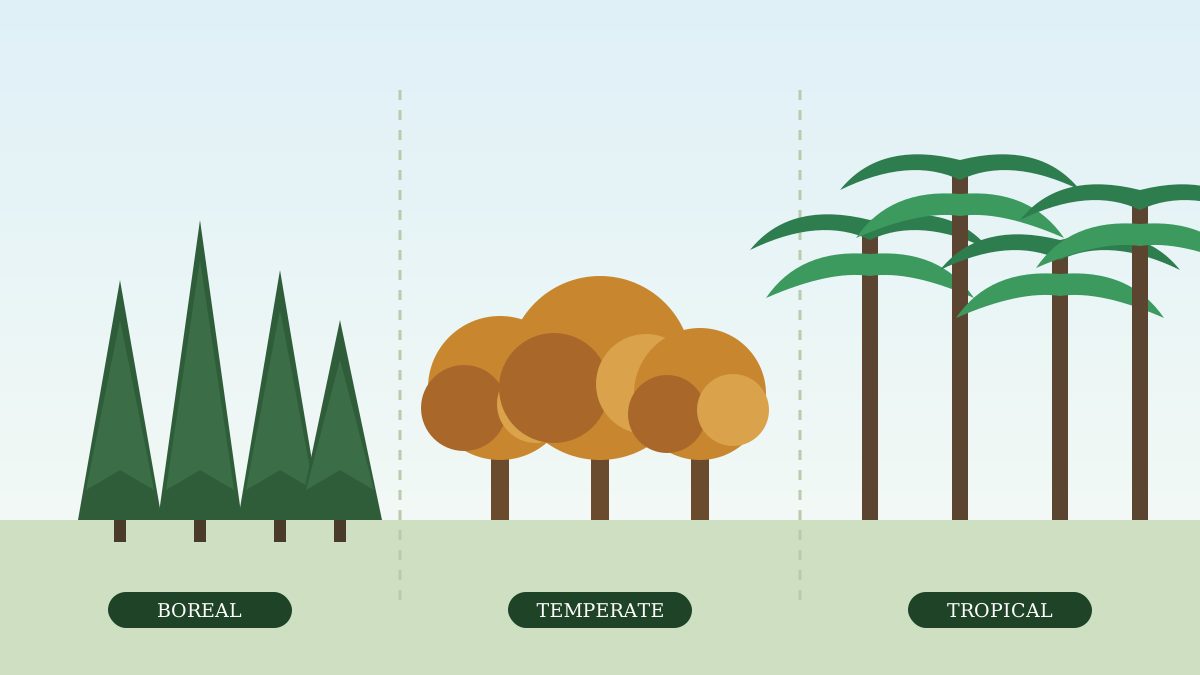
Boreal: the green ring at the top of the world
Circling the northern hemisphere across Canada, Scandinavia and Siberia lies the boreal forest, or taiga — the planet's largest land biome. Spruce, pine and fir dominate, their conical shapes shedding snow and their needles resisting frost. Winters are long and brutal, growing seasons short; decomposition is slow, so enormous amounts of carbon sit locked in cold soils and peat beneath the trees.
Temperate: the forest of four seasons
In mid-latitudes grow the temperate forests — oak, beech, maple and chestnut in the broadleaf version, giant firs and redwoods in the wet coastal ones. Their signature is rhythm: leaves flush in spring, work all summer, blaze and fall in autumn, and the whole system idles through winter. These are the forests most of the industrialized world grew up in, cleared, and is now slowly replanting.
Tropical: the crowded equator
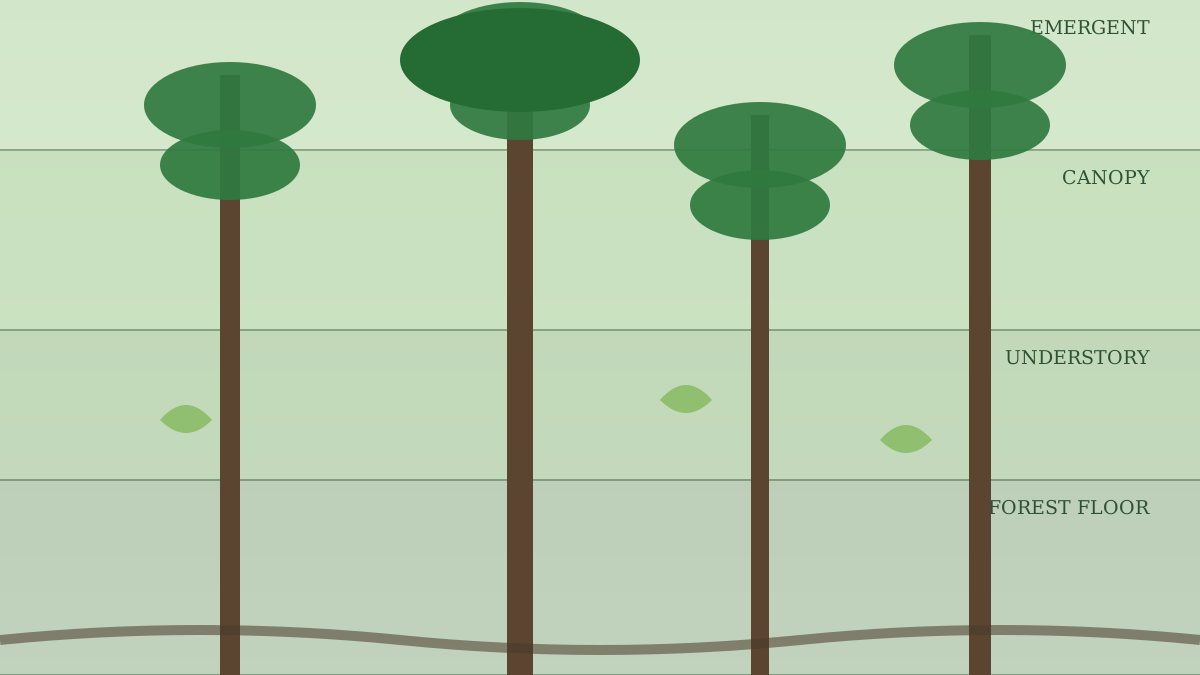
Tropical rainforests ring the equator, warm and wet year-round, and hold an extraordinary share of Earth's terrestrial species. Life stacks itself in layers: the dim forest floor, the humid understory, the dense canopy where most animals live, and lone emergent giants breaking through. Nutrients here live in the vegetation more than in the soil — which is why cleared rainforest land turns poor so quickly.
The specialists
Beyond the big three are forests with peculiar rules: cloud forests on tropical mountains, drinking moisture straight from mist through beards of moss; mangroves standing in salt water on stilt roots, sheltering young fish and blunting storm surges; dry forests that drop their leaves and wait out months without rain. Each is a different answer to the same question of how to be a tree.
Why forests run the planet's systems
Forests pull carbon dioxide from the air and store carbon in wood and soil; they pump water skyward, generating rainfall that can fall hundreds of kilometers inland; they hold soil against erosion and shelter the majority of land species. They also feed and employ people, which is why the honest conversation about forests is never only about protection, but about balance.
Conclusion
Learn the forest types and any landscape reads differently — the shape of a leaf, the spacing of trunks and the light on the floor all tell you where you are and how that place works. Every forest is an argument between light, water and time, settled a little differently in each corner of the world.
Frequently Asked Questions
What are the main types of forest?
Broadly three: boreal (taiga) in the cold north, temperate forests in mid-latitudes, and tropical forests near the equator — plus specialized types such as cloud, mangrove and dry forests.
What is the boreal forest?
A vast belt of conifers circling the northern hemisphere across Canada, Scandinavia and Russia. It is the largest land biome, shaped by long freezing winters and short growing seasons.
What are the layers of a rainforest?
Typically four: forest floor, understory, canopy and the emergent trees rising above it. Each layer has different light, humidity and its own community of species.
Why are forests important for climate?
Trees absorb carbon dioxide as they grow and store carbon in wood and soil, while also cooling the air, generating rainfall and stabilizing the water cycle.